Before the doors open: notice file, packets, and the sign in sheet
Budget night in any city or town starts long before residents arrive. The legal notice file sits ready by the clerk's chair: proof that the public hearing was advertised on time and in the required places. Some states require notice in print, others on the city website, or both. A physical folder with printouts and affidavits is common. The clerk checks dates, headlines, and the published hearing time. Any missing or late notice can derail the vote, forcing a reschedule that delays every department's planning.
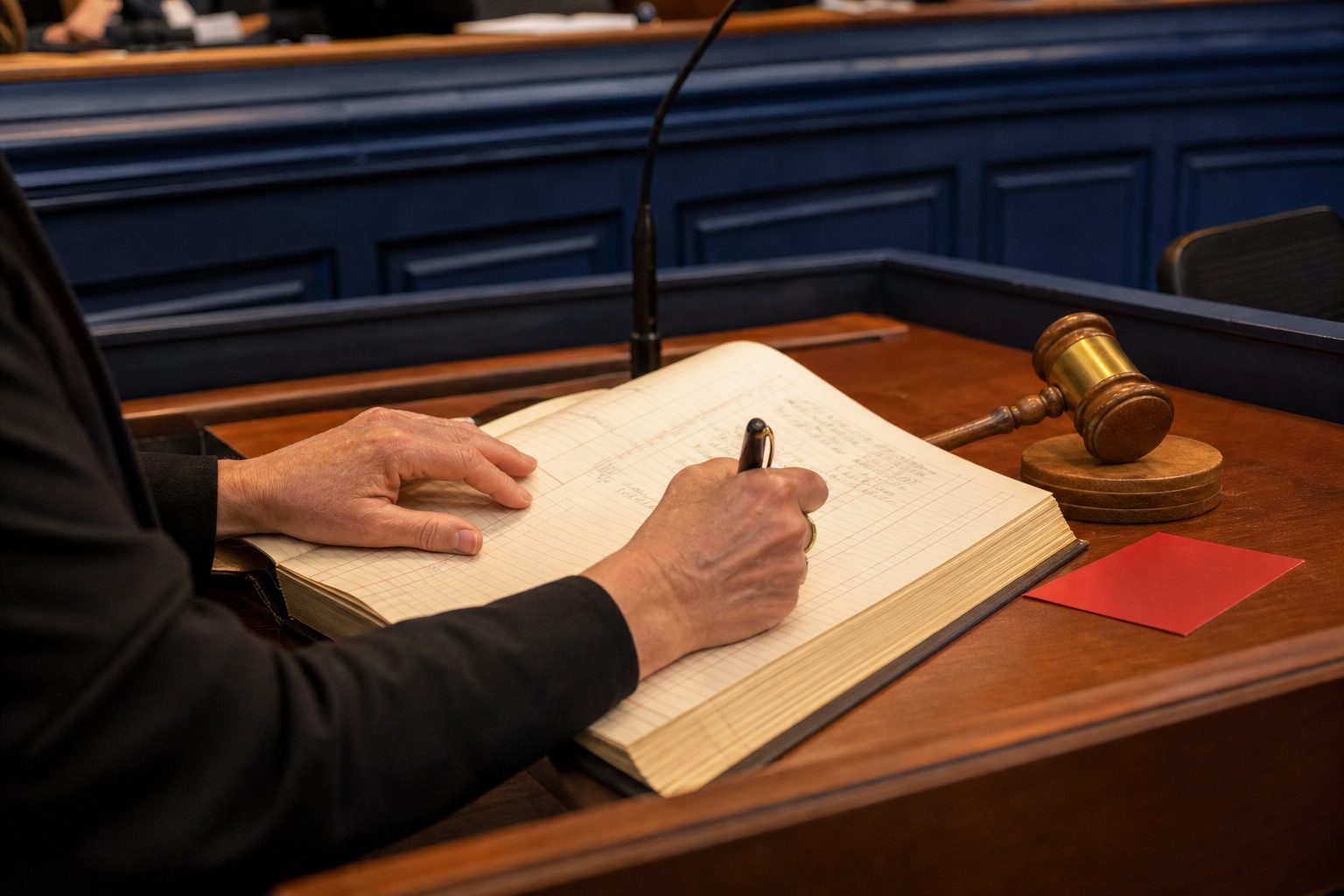
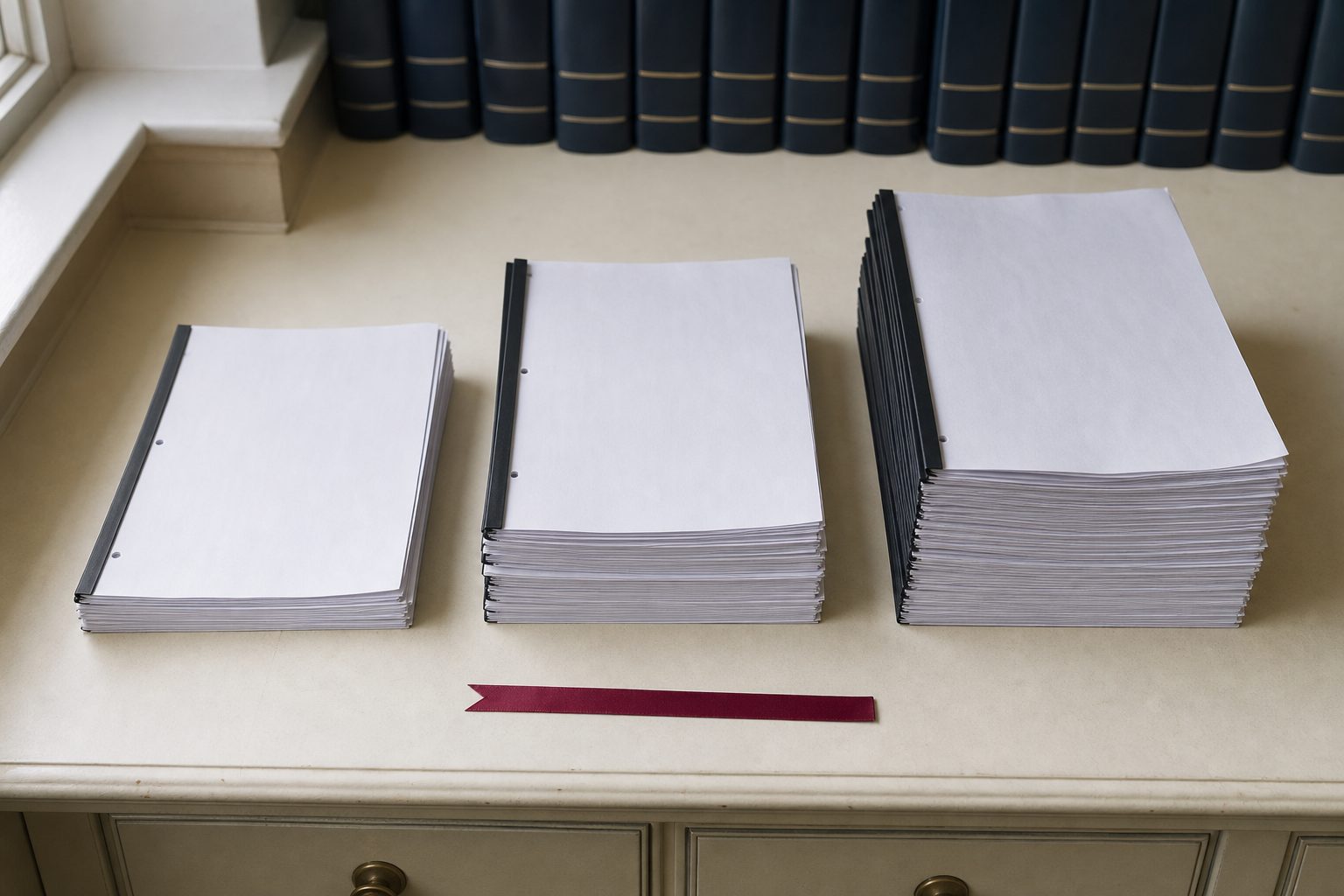
Packets are stacked for council and staff. Each contains the proposed budget, backup materials, draft resolutions, and a copy of the notice itself. The public table has a few extra sets. It is not unusual for residents to ask for more background, so a thumb drive or digital copy can help during questions. The sign in sheet is set out near the door. Some towns use a simple legal pad. Others have pre-printed forms with columns for name, address, and whether the person wants to speak. This record is not just for courtesy. It creates the official list of public comments if the budget is challenged later.
In the last hour, the clerk marks reserve seats for council and double checks that all required exhibits, charts, and maps are at hand. It is also the time to confirm that the recording equipment works, whether it is a digital recorder, a laptop with a meeting software, or a phone on a tripod. Losing the audio or video can be grounds for a do-over in some states.
Keep reading: How to Record Motions, Amendments, and Roll Call Votes in Minutes
Calling the roll and establishing quorum on a full house night
As the meeting opens, the clerk's first formal act is calling the roll. On budget nights, absences are rare, but a last-minute illness or emergency can still threaten quorum. Every city's charter or code sets the number needed for official business. If a member is missing, the clerk must know if a remote appearance or a written proxy is allowed. If there is a tie, some councils let the mayor break it, but not all do.
When the room is packed, it is easy for council to lose track of the rules for a valid vote. The clerk reads off each member's name, waiting for a clear "present." If someone is late, the record will show the exact time they arrive. This matters when the vote sequence is challenged later: the minutes must show who was present at the start of the hearing, and at each vote.
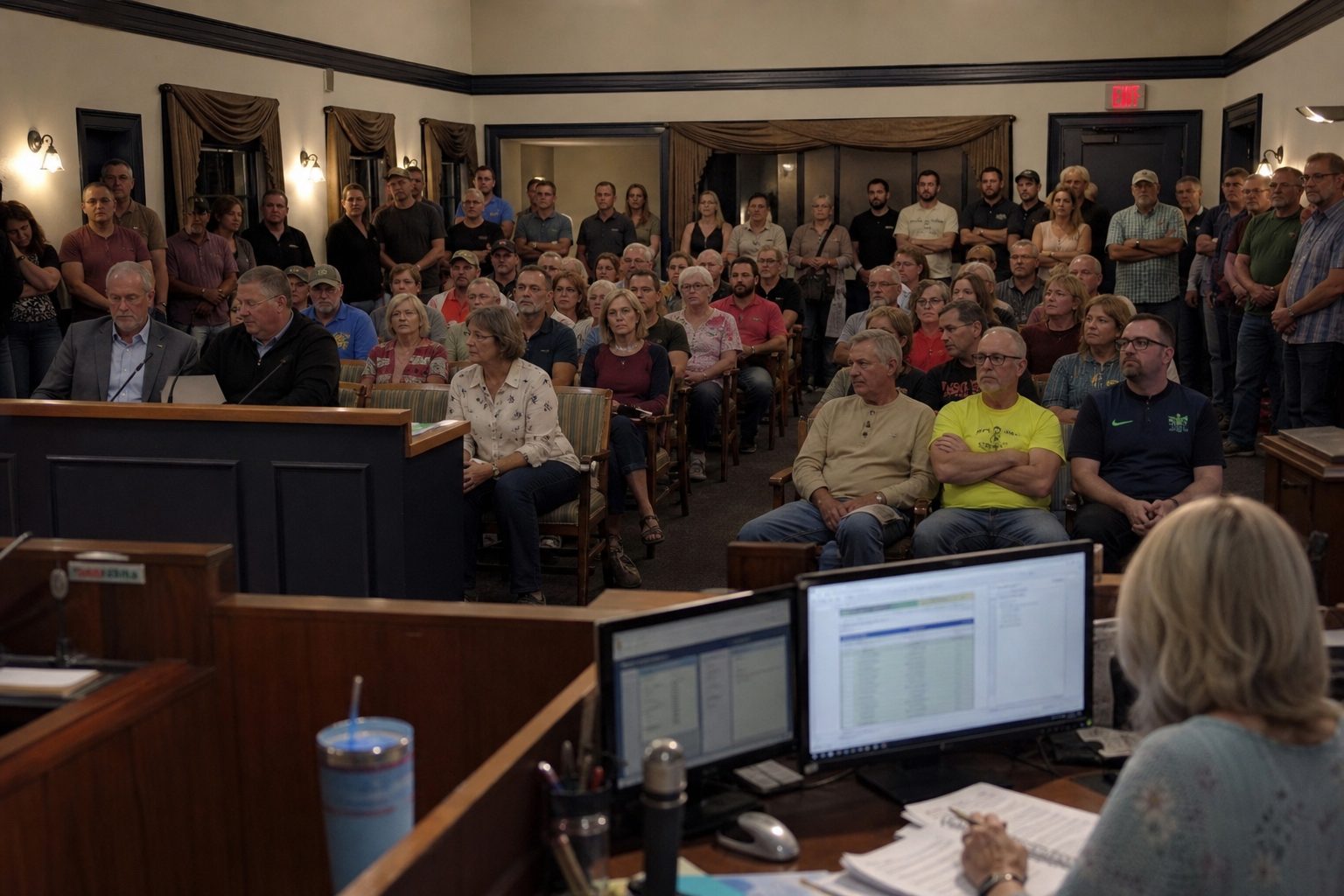
Some towns keep a printed seating chart, especially if the council rotates seats after elections. It helps the clerk match names to faces and ensures that the roll call is accurate in the minutes. On nights when the public crowd spills into the hall, the clerk also keeps an eye on the fire marshal's limit and lets the mayor know if people need to move to overflow rooms.
Opening the public hearing and keeping the speaker record straight
The mayor or chair reads the agenda item: "Public hearing on the proposed budget." The clerk reads the hearing notice into the record, or confirms its publication date and method. This is not just formality. If the hearing was not noticed correctly, the rest of the evening is moot. Some towns require the notice to be read word for word. Others allow a summary as long as the date, time, and legal citation are included.
The rules for public comment are often posted at the door. Three minutes per speaker is standard. The clerk manages the sign in sheet and calls names. If someone did not sign in, the mayor may allow them to speak at the end, but the clerk must note that the person was not on the original list. If the hearing is continued to another night, the clerk keeps the original comments and adds new ones. The record must be clear about which night each comment was made.
Managing repeat speakers and written comments
Some residents try to speak twice, or submit comments in writing. The clerk checks the rules: some towns allow only one appearance per person, others count written comments as separate. The minutes must reflect who spoke, what they said in summary, and whether any exhibits or handouts were submitted. If someone speaks on behalf of a group, the record should list the group by name.
If tempers run high or the hearing runs long, the clerk tracks the order and timing. If a speaker is ruled out of order or cut off, the clerk notes the reason. If the council decides to extend comment time, that decision goes in the minutes as well.
Keep reading: Action Minutes vs Summary vs Verbatim: Choosing a Format
The levy or millage vote and the wording that must be exact
Once the hearing closes, the council moves to the core action of the night: adopting the budget and setting the tax rate. Whether the town calls it a levy, millage, or rate, the resolution wording is prescribed by statute or charter. The clerk reads the resolution or ensures it is displayed on screen. Every clause matters, especially any language about increases, decreases, or special assessments.
Some councils vote by voice, others by roll call. On budget night, a roll call is safest, and often required. The clerk calls each member's name and waits for a clear "aye" or "no." If someone abstains, the reason is recorded if local rules require it. In some towns, a supermajority is needed for the budget or certain levies. The clerk must know the exact number of votes required for passage and announce the result before moving on.
Recording the exact motion
If a councilmember moves to adopt the budget as proposed, the clerk records the full wording of the motion and the second. If the motion is to adopt "as amended," the clerk must reference each amendment by number or subject, with enough detail for future review. Vague motions cause confusion later when the certified copy is requested.
After the vote, the clerk reads the result into the record. If the resolution fails, the minutes must show the reason and any immediate next steps. If the vote is unanimous, that fact is stated. If it is split, the names and votes of each member are listed in the minutes.
Amendments from the floor and recalculating totals in real time
Budget night rarely goes without changes. Amendments from the floor can come at any time after the public hearing closes. These range from minor line edits to major reallocations between departments. Each amendment must be stated clearly, either in writing or by dictation, so that the clerk can repeat it back before a vote.
When an amendment affects dollar amounts, the clerk recalculates totals before the vote. This often means adding or subtracting from the general fund, adjusting percentages for departments, or changing the bottom line for the levy. A laptop with the working spreadsheet is standard, but some clerks still use a calculator and printed sheets. When the numbers are complex, the clerk may ask for a five-minute recess to verify totals.
Tracking multiple amendments
Majority of the confusion comes when more than one amendment is pending. The clerk numbers each amendment, records the mover and seconder, and states whether it passes or fails. If amendments contradict one another, the chair may rule one out of order, but the record must show the ruling and the reason. If an amendment is withdrawn, the clerk notes who withdrew it and when.
If a series of amendments are adopted, the clerk must update the draft resolution in real time. The final version, as adopted, should be read back before the final vote. This ensures everyone is clear on what will be sent to the county and published. Paper copies with handwritten edits are common, but digital track changes are becoming more frequent.
See how GavelMinutes handles this for local government
Adjournment, the unofficial summary, and what goes out that night
Once all votes are recorded and the budget is adopted or tabled, the meeting moves to adjournment. The clerk reads the final language of the main motion and records the time of adjournment. Some towns require a formal motion to adjourn; others close by consensus. The gavel falls, but work continues.
Immediately after adjournment, the clerk prepares the unofficial summary. This includes the budget as adopted, the final levy or millage rate, any amendments, and the vote tally. In some towns, a summary must be posted online or sent to the press within hours. The clerk drafts a plain language summary for the public: what changed, what stayed the same, and what the next steps are. This is where decision summaries make the process more accessible for residents who do not follow the full detail.
Copies of the draft minutes, the adopted budget, and the summary go out by email or are posted on the city website. Some towns have an automated system that populates the website with the decision summary and links to the final agenda item. Others rely on the clerk to upload PDFs manually. Either way, prompt publication is part of the legal record and helps avoid confusion in the days that follow.
Certified copies for the county, the auditor, and the newspaper
The last job on budget night is preparing certified copies of the adopted budget and levy resolution. The county assessor or auditor often requires the official version with the clerk's signature and the city seal. In some states, the deadline is the next business day. The clerk checks that all amendments are included, the vote count is correct, and the final numbers match what was adopted.
The newspaper may ask for a certified copy for their records, especially in towns where the legal notice must include the adopted levy. The clerk prepares a cover letter stating the date, the agenda item, and the result. If the budget affects school or fire districts, additional copies go to those agencies. Digital copies are accepted in most states, but some require a wet signature and a stamped seal.
For the audit trail, the clerk keeps one certified copy in the city's permanent file. This is the document that will be reviewed during the audit or if the budget is challenged in court. The minutes, supporting documents, and all notices go into the official record, either in a paper binder or a digital archive. These files are kept for a minimum period, often several years, as required by state law.
On nights when the agenda is long and amendments are many, organizing these materials can take hours after the meeting ends. Tools that generate plain language decision summaries, link agenda items, and make records searchable for the public can turn a late night into a manageable task for the clerk and the community.