Recording discussion instead of decisions
Many clerks try to capture the flow of conversation in council meetings, especially when debates are heated or involve multiple viewpoints. It feels natural to include who said what, and how the discussion developed. But when minutes read like a transcript, the official record loses focus on the most important element: what was decided.
Minutes are not meant to be a blow-by-blow account. The essential purpose is to record decisions, not dialogue. If a contentious zoning matter is discussed for forty minutes and the minutes recount every argument but do not clearly state whether the motion passed or failed, the record is incomplete and open to challenge. Minutes that include too much detail can also imply intent that was never formally adopted, which can become ammunition in a legal dispute.
Best practice is to summarize the motion, name the person who moved and seconded it (if required by local rules), and record the outcome. Discussion points can be briefly noted only if they clarify the rationale behind a decision, but avoid attributing comments to individuals unless the law or policy demands it. When decisions are reduced to a clear summary, challengers cannot claim that outcome was left ambiguous.
Keep reading: Meeting Notice, Agenda Posting, and Executive Session Rules
Vote totals that do not reconcile with attendance
Nothing raises suspicion faster in a contested action than a vote count that doesn't match the list of council members present. When the number of "yes" and "no" votes adds up to more than the number of officials in attendance, or if abstentions are not recorded, the minutes become vulnerable.
Unrecorded absences and recusals
Gaps often arise when a member leaves before a vote, steps out for part of the meeting, or recuses themselves due to a conflict of interest. If the minutes do not show the change in presence, later readers have no way to reconcile the vote with who was actually eligible to participate. For example, a council of seven with two members absent for a vote should show only five votes cast, with the absences noted.
Unclear abstentions
Abstentions should be recorded by name. If a member participates in discussion but abstains from the vote, the minutes must reflect this explicitly. Otherwise, the abstention may be miscounted as a "no," which can flip the official result. In close decisions, this kind of error opens the door for a procedural challenge.
Each action item should have its own attendance check and vote tally, so that every total is defensible. This protects the record from claims that the outcome was due to an unqualified or absent participant.
Executive session entries with no statutory citation
Executive sessions are among the most commonly challenged portions of council meetings. State law usually allows closed sessions only for specific, enumerated reasons: legal advice, personnel matters, or contract negotiations, for example. The minutes must show which statutory provision justified the closed session.
A vague entry like "entered executive session" or "discussion of litigation" does not meet the legal requirement in most states. Challengers look for these omissions, arguing that the council lacked authority to meet privately. If the statute or ordinance number is missing, the record is incomplete.
The safest approach is to cite the exact section of state law that authorizes the executive session. Write it into the motion or the minutes: for example, "The council entered executive session under [state code reference] to discuss pending litigation." This way, anyone reviewing the record can verify compliance without guessing intent.
Additionally, record the time the session began and ended, and, if required by law, who was present. Documenting these points closes off most avenues for successful open meetings challenges.
Keep reading: Anatomy of a Rezoning File: Every Record the Clerk Produces
Summarizing public comment unevenly across speakers
Public comment is often a lightning rod, especially when controversial topics are on the agenda. Clerks face pressure to summarize what is said, but doing so inconsistently can create the appearance of bias or selective reporting.
Over-summarizing or paraphrasing inaccurately
If some speakers' remarks are distilled to a single sentence while others get paragraphs, the record can appear skewed. For example, summarizing a critic's statement as "opposed for personal reasons" while transcribing a supporter's points in detail invites claims of favoritism. If comments are summarized at all, the same standard should apply to all speakers.
Omitting names or affiliations
In some towns, it is customary to omit names of public speakers for privacy. In others, names and addresses are required. The key is consistency. If the minutes name some speakers and not others, it raises questions about why. If affiliations (such as "President of the Homeowners Association") are included for one speaker but not another, it can suggest intentional omission.
When in doubt, stick to the local policy, and apply it evenly to every commenter. If the record shows equal treatment, it is much harder for a challenger to claim the process was tainted.
Editing approved minutes instead of amending them on the record
Once minutes are approved by the council, they become the official record. Any changes after that point must be handled transparently. Editing digital files or changing paper records without a formal amendment on the record is a common but hazardous shortcut.
Adding clarifications after approval
Sometimes a member requests a clarification weeks after the meeting, such as correcting who seconded a motion or which ordinance was cited. If the clerk quietly changes the original minutes, this creates an "invisible" revision. Later, if someone produces a copy of the minutes as originally approved, discrepancies become evidence for a challenge.
Proper amendment procedure
The only safe way to correct an error in approved minutes is to bring the correction as a motion at a future meeting. The amendment should be described in the current meeting's minutes, and the original version should be preserved. This creates a clear audit trail. If a digital system is used, the original version can be linked to the amendment for transparency.
Changing the record outside the public process undermines trust and can invalidate official actions. Every revision must be part of the public record.
See how GavelMinutes handles this for local government
Attachments referenced but never filed with the minute book
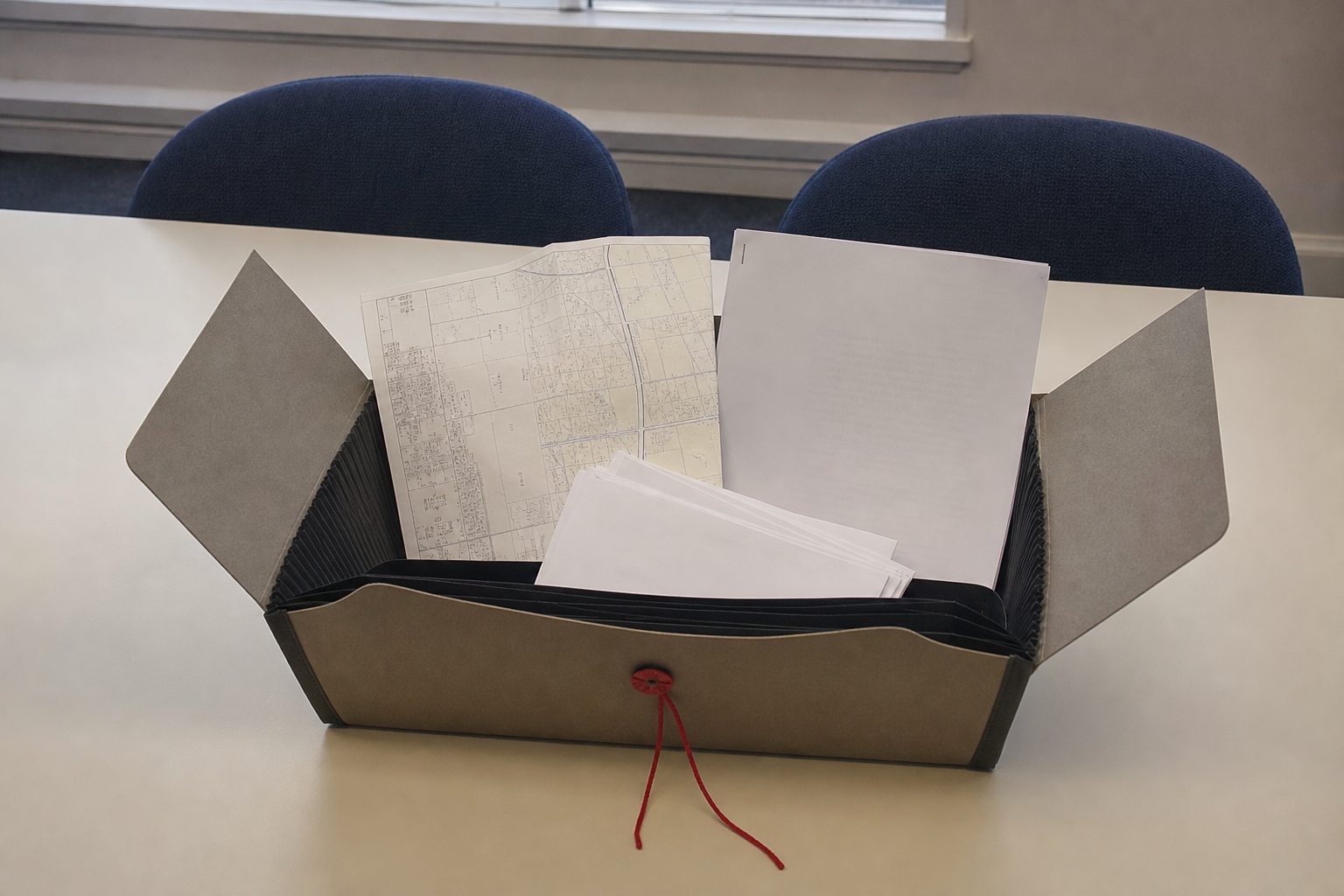
Council decisions often rely on supporting documents: contracts, resolutions, maps, or exhibits. Minutes may state, "See attached agreement" or "Map on file," but if the referenced document is missing from the official record, the decision can be challenged as incomplete.
The disappearing attachment
This problem crops up most often when documents pass through several hands for signatures, or are stored in separate files. Years later, when someone tries to verify what was adopted, the attachment is nowhere to be found. If a contract is referenced in the minutes but the signed copy is missing, it can be argued that the action was never validly taken.
Numbering and indexing attachments
Best practice is to assign each attachment a unique identifier, note it in the minutes, and file it directly with the official minute book, whether paper or digital. Electronic systems can help by linking attachments to the relevant agenda item or decision entry. Regular checks ensure nothing referenced in the minutes is left out of the public record.
Any gap between what the minutes say exists and what can actually be produced in a records request exposes the council to unnecessary risk.
Signature, seal, and approval dates left blank
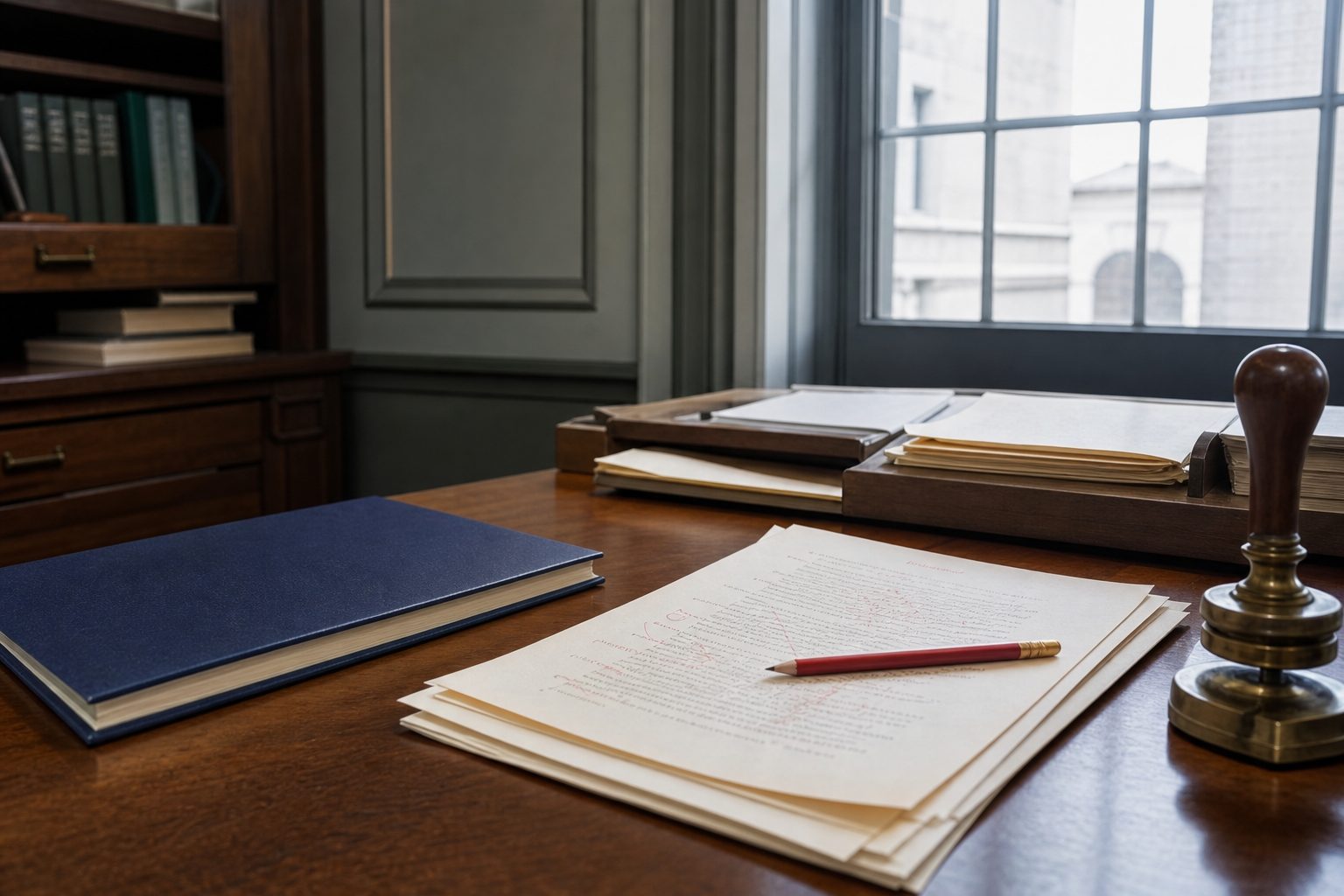
For minutes to have legal effect, most jurisdictions require them to be signed by the clerk, sometimes by the mayor or council president, and often bear the municipal seal. Approval dates confirm when the record was adopted. Missing any of these can render the minutes unofficial, or worse, void.
Unintentional omissions
With the rush of business, it is easy to overlook a required signature or forget to stamp the seal on the official copy. Digital workflows can compound the issue if electronic signatures are not applied in the right order, or if the approval date is left as a blank field. These small lapses can delay records requests or create doubts about the authenticity of the minutes.
Legal consequences
If minutes are presented as evidence and lack the necessary signatures or dates, a judge can rule that the action was never properly recorded. This is a common issue in property matters, where buyers, lenders, or title companies rely on council minutes to confirm authority. A missing seal or signature can force costly do-overs or delays.
A checklist at final approval, digital or paper, helps ensure that every required field is completed before minutes are filed.
How the right tools help clerks avoid common minutes mistakes
Mistakes in council minutes are easy to make and hard to fix after the fact. The best safeguard is a consistent process and a recordkeeping system that prompts for all required information, links decisions to agenda items, and lets the public search the official record easily.
Tools that offer plain language summaries, agenda linking, and open search make it much less likely that a critical detail goes missing. These systems lighten the burden on clerks while strengthening the legal standing of the council's actions.