Finding your state archives schedule and the local adoption step
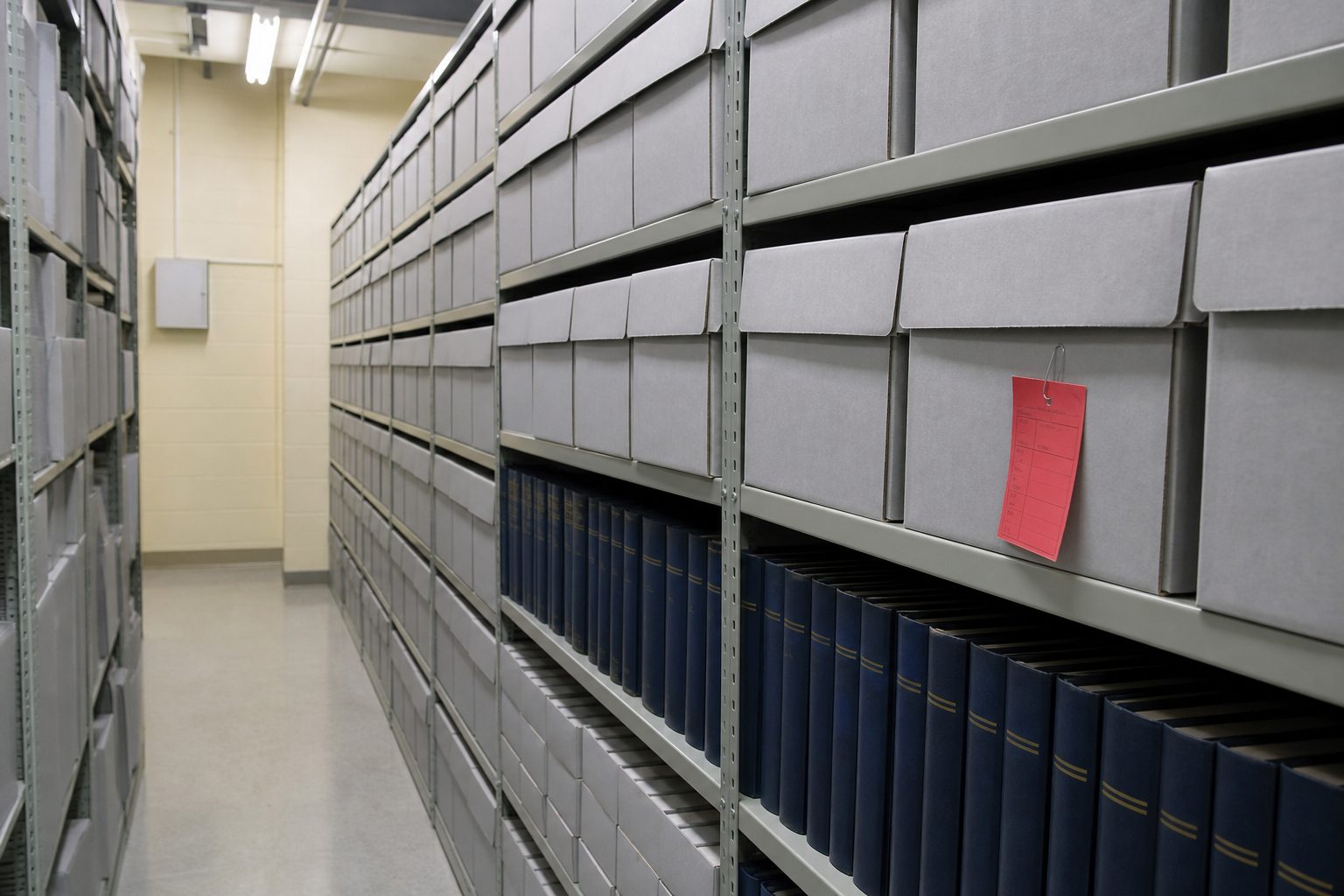
Every local government in the United States answers to a records retention schedule, usually issued by the state archives. The schedule lists every document type your office creates: from meeting minutes to video recordings, from contracts to canceled checks. Most states update their retention schedules every few years, and many post them as downloadable PDFs or searchable tables on the state archives website.
Before applying any rule, check whether your municipality has formally adopted the state schedule or a local variant. In some states, the state schedule applies by default. In others, local governments must pass a resolution or ordinance adopting it. Some localities add their own rules, often stricter than the state minimums, especially for records linked to finance or land use.
If you're unsure which schedule governs your records, contact your state archives or the city attorney. Keep a copy of your adopted schedule in the clerk's office, along with the date of adoption and any local amendments. This is your foundation for all records decisions.
Keep reading: What It Costs to Publish One Council Meeting, Line by Line
Permanent records: minutes, ordinances, resolutions, and the seal
Minutes of governing body meetings are almost always classified as permanent records. In most states, this means they must be retained forever, regardless of format. This applies to city council, board of aldermen, planning commission, and any other official body authorized by charter or ordinance.
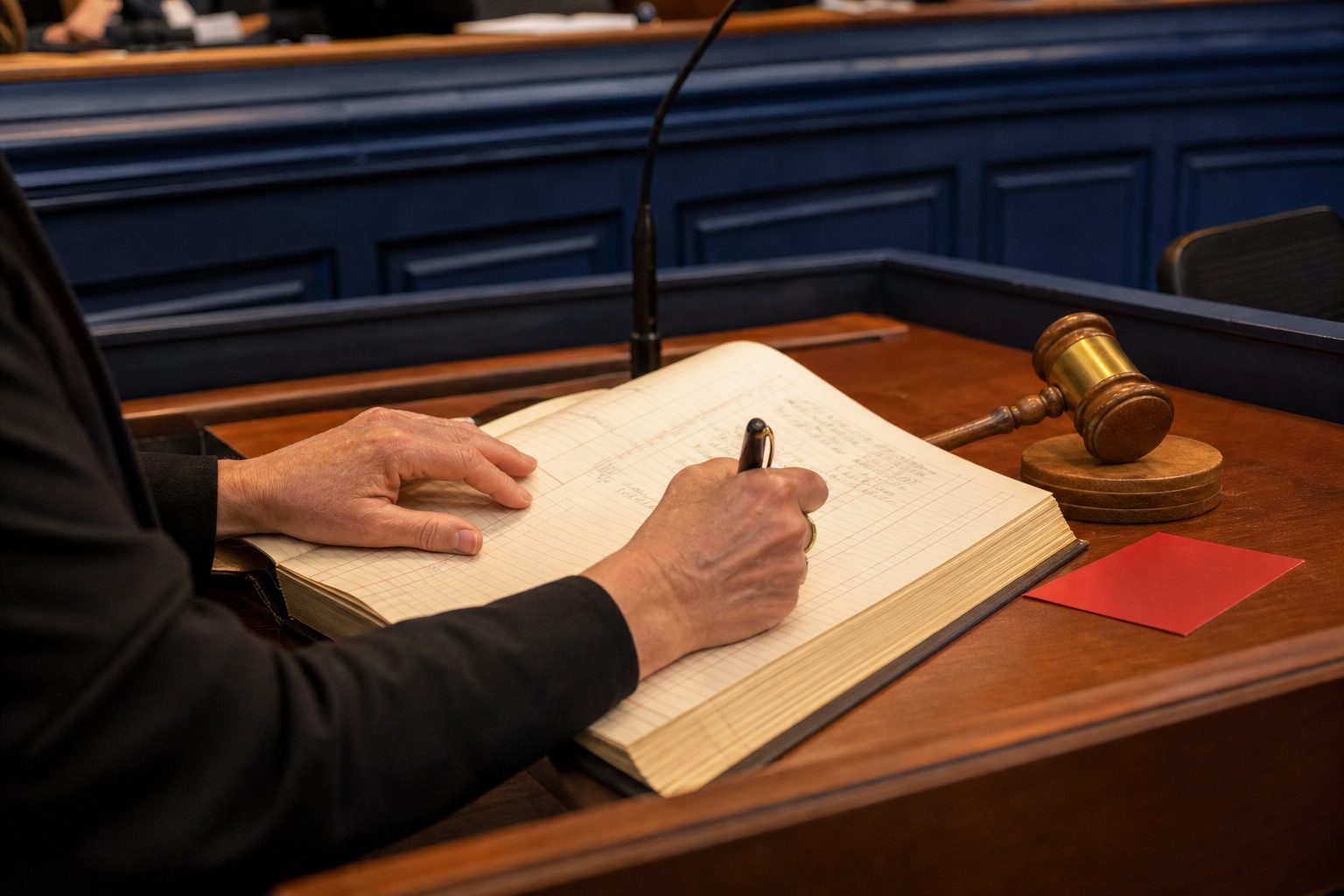
Permanent status extends to signed ordinances, passed resolutions, and the official seal of the municipality. These are core legal records. They document the formal actions that define your city or town's laws, policies, and history. If your government still uses a physical record book for minutes or ordinances, those volumes cannot be discarded, even if digitized.
Digital copies of minutes and ordinances are acceptable in most states, as long as they are protected from alteration, backed up, and accessible for public inspection. Some states require a microfilm backup or a written migration plan to ensure access over decades, especially if your records software uses proprietary formats.
If you keep both paper and digital copies, the version designated as the "record copy" in your retention policy is the one that must be preserved permanently. Reference copies in other formats can be destroyed according to the schedule.
Audio and video recordings after the minutes are approved
Audio and video recordings are not usually permanent records unless your minutes are approved in audio format, which is rare. In most states, once written minutes have been reviewed and formally approved, the audio or video recording is no longer considered the official record. At that point, the retention period for the recording typically ranges from 30 days to a few years, depending on your state's schedule.
If the minutes are disputed or not yet approved, retain the recording until the matter is resolved and the minutes are signed. Some states require that recordings be kept longer if there is litigation, a pending grievance, or an open records request.
Recordings made for convenience, such as live streaming or backup, do not change the retention requirement unless your adopted policy specifically designates them as the record copy. Always check your local resolution or procedures to see if you have adopted stricter standards for recordings.
When the retention period ends, document the destruction of recordings with the same care used for paper files. This protects the municipality if there are future questions about missing records.
Agenda packets, drafts, and duplicate reference copies
Agenda packets, staff reports, and background materials collected for each meeting often have short retention periods. In many states, agenda packets must be kept for a set period, often one to three years, after the meeting, unless they contain items that need to be retained longer under another rule.
Drafts of minutes or resolutions are generally not permanent. Once the final version is approved, drafts can be destroyed according to the schedule. Exception: If a draft was distributed to a quorum of the council or board, some states require retaining it for the same period as the final approved copy.
Duplicate copies, convenience files, and personal notes collected by staff do not need to be kept beyond their business use. State schedules usually allow immediate destruction of duplicates once they are no longer needed. However, if a duplicate is used to conduct official business, such as sharing a marked-up agenda in a meeting, it may fall under the retention rules for the original.
Always be clear which copy is considered the "record copy." This should be specified in your internal records policy. For each packet, mark at least one copy as the official record and store it accordingly.
Keep reading: Budget Adoption Night, Minute by Minute, From the Clerk's Desk
Email, text messages, and members' personal devices
Email and text messages related to city business are public records, regardless of the device or account used to create them. If a council member sends a message about policy, scheduling, or decision-making from a personal phone or email, that message is subject to the same retention rules as other records.
Most states require official correspondence, whether by email or text, to be kept for a period ranging from one year to several years. Messages that document final actions, advice, or instructions to staff may need to be kept longer. Transitory messages, such as "I'll be five minutes late," can be destroyed as soon as they are no longer needed.
If your council or board members use personal devices, establish a written policy requiring that all city-related messages be forwarded to an official account or copied to the clerk. This ensures that the messages can be retrieved and destroyed according to the retention schedule.
Remind elected officials and staff that deleting messages from a personal device does not exempt them from records law. A public records request or subpoena may require retrieval from backup or the device itself.
Destruction authorization, the log, and who signs it
Destroying public records is never as simple as hitting delete or tossing a box. Most states require formal approval before destroying any record, except for duplicates or transitory material. The process usually starts with a request to the records custodian, often the clerk or administrator, who reviews the schedule to confirm eligibility for destruction.
Document each destruction event in a permanent log. The log should include the type of record, date range covered, method of destruction (shredding, deletion, etc.), date destroyed, and the person authorizing and performing the destruction. Many states require two signatures: the records custodian and the official responsible for the program or department.
If you use a shredding service or digital deletion, ask for a certificate of destruction and attach it to the log entry. For digital records, document the method of deletion, especially if secure erasure or overwriting is required by your policy.
Keep the destruction log permanently. It is your proof that records were discarded legally and according to schedule. If a record is later requested and cannot be found, the log shows compliance and protects the municipality.
See how GavelMinutes handles this for local government
Litigation holds and open records requests that stop the clock
A litigation hold is a directive to pause all destruction of records that may relate to a pending or reasonably anticipated lawsuit, audit, or investigation. This includes emails, recordings, minutes, and any associated documents. The hold overrides the retention schedule until the matter is fully resolved.
Similarly, an open records request, whether under your state's public records act or the federal Freedom of Information Act, requires you to preserve all records covered by the request until the response process is complete and any related appeals are resolved. This applies even if the scheduled destruction date has passed.
When you receive a litigation hold or records request, notify all staff and officials who may have responsive records. Document the date and scope of the hold, and keep a log of all steps taken. When the hold is lifted, resume destruction only after confirming that no further legal or public access issues remain.
Failure to comply with a hold can expose the municipality to legal risk, fines, or court sanctions. Even accidental destruction can be costly if it appears no reasonable safeguards were in place.
Microfilm, digital copies, and what counts as the record copy
The question of which format counts as the official record, the "record copy", is central to compliance. In the past, microfilm was widely used to create durable, tamper-resistant archives. Some state schedules still require microfilm for vital records, but more now accept digital files if they meet standards for authenticity, security, and long-term access.
A record copy is the version designated by your retention policy as the official version for preservation and reference. If minutes are approved and signed on paper, that paper is the record copy. If your body approves and signs digital minutes, then the digital file becomes the record copy. Copies in other formats, including microfilm or PDF, are reference copies unless adopted as primary.
For digital records, make sure files are stored in non-proprietary formats (such as PDF/A or TIFF) recommended by the state archives. Backups and migration plans are important, especially when retiring a software system or moving to a new platform.
If you scan paper records and destroy the originals, document the scanning process, quality checks, and storage location. Some states require a formal certification that the digital version is a true and complete copy before allowing destruction of paper originals.
Always verify that your chosen format and storage method are accepted by your state archives and your local retention policy. If in doubt, keep the traditional format until you have written confirmation.
Closing the loop: publishing, summaries, and search for compliance
Keeping up with retention schedules, destruction logs, and shifting formats is a core duty for clerks and small town administrators. The rules protect public access, legal standing, and the municipality's history, but they can also create paperwork headaches, especially when records are scattered across paper, email, and multiple drives.
Tools that publish meeting minutes with plain language decision summaries, link agendas to supporting documents, and offer public search can help streamline compliance. These features make it easier to identify the record copy, provide access, and track retention status across formats. This approach reduces manual effort, supports open government, and keeps your records program audit-ready.